Introduction
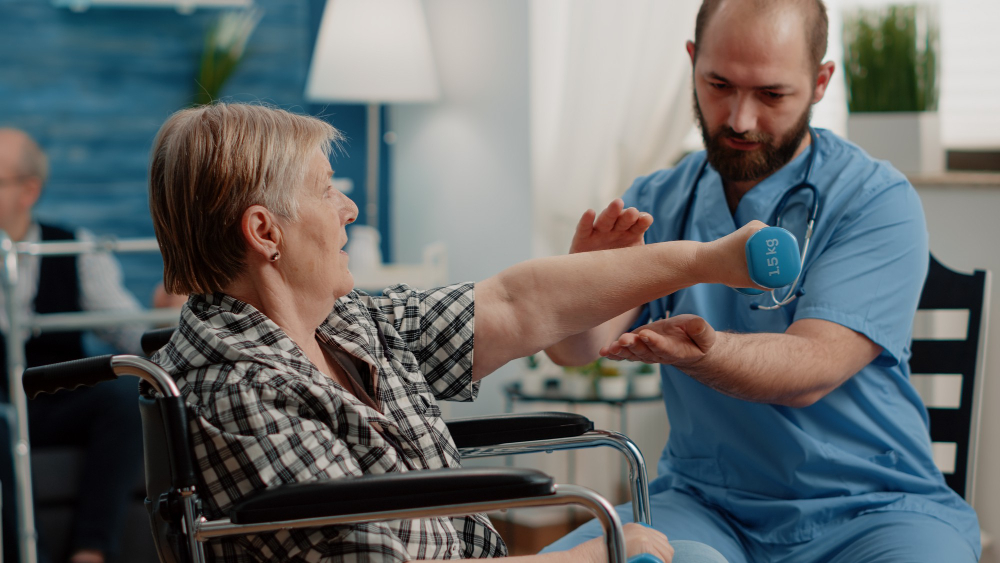
Geriatric Rehabilitation is a special type of care for older adults. It helps seniors regain strength, movement, and independence after illness or injury. Many older adults face health challenges as they age. Because of this, geriatric rehabilitation is important for improving quality of life. It uses physical therapy, exercise, and other treatments to help seniors stay active and safe. In many cities, you can find geriatric rehabilitation services to support your loved ones.
What is Geriatric Rehabilitation?
Geriatric rehabilitation is a set of therapies and treatments for seniors. Its main goal is to help older adults recover from injuries, surgeries, or illnesses. For example, after a fall or stroke, seniors may need help to walk again. Rehabilitation for seniors often includes physical therapy, occupational therapy, and sometimes speech therapy. These therapies work together to improve daily living skills and boost confidence.
Common Conditions Addressed
Many health problems can affect older adults. Geriatric rehabilitation focuses on helping with:
Because these conditions can limit daily activities, early rehabilitation is key.
Symptoms and Challenges in Older Adults
Older adults may notice several symptoms that affect their daily life. For instance, they might feel weak, have trouble walking, or lose balance easily. Sometimes, pain or stiffness in joints makes it hard to move. In addition, memory problems or trouble speaking can appear after a stroke. These challenges can lead to falls, loss of independence, or even depression. However, with the right support, many seniors can overcome these issues.
Assessment and Diagnosis
First, a healthcare team will assess the older adult’s needs. They may ask about medical history, daily habits, and current problems. Next, they will check strength, balance, and movement. Sometimes, doctors use simple tests to see how well a person can walk or stand. This helps them create a safe and effective rehabilitation plan. Regular check-ups track progress and adjust treatments as needed.
Treatment Approaches and Therapies
Geriatric rehabilitation uses many types of therapy. Some common approaches include:
In many cases, therapists work closely with family members. This ensures support continues at home. For example, they may teach safe ways to move or suggest changes to the home.
Benefits of Geriatric Rehabilitation
There are many benefits to starting geriatric rehabilitation early. Some of the main advantages include:
According to the World Health Organization (WHO), regular rehabilitation can help seniors stay active and enjoy life longer.
Lifestyle Tips and Home Care Guidance
There are many ways to support recovery at home. For example, you can:
Because small changes can make a big difference, always talk to your healthcare provider before starting new activities.
Prevention and Healthy Aging Strategies
Staying healthy as you age is possible with a few simple steps. For instance, you can:
Because prevention is better than cure, these habits can lower the risk of many health problems. The Centers for Disease Control and Prevention (CDC) also recommends staying socially active to boost mental health.
Conclusion
Geriatric rehabilitation can help older adults regain strength, independence, and joy in daily life. If you or a loved one needs support, consult a qualified physiotherapist or rehabilitation specialist for personalized advice on geriatric rehabilitation.