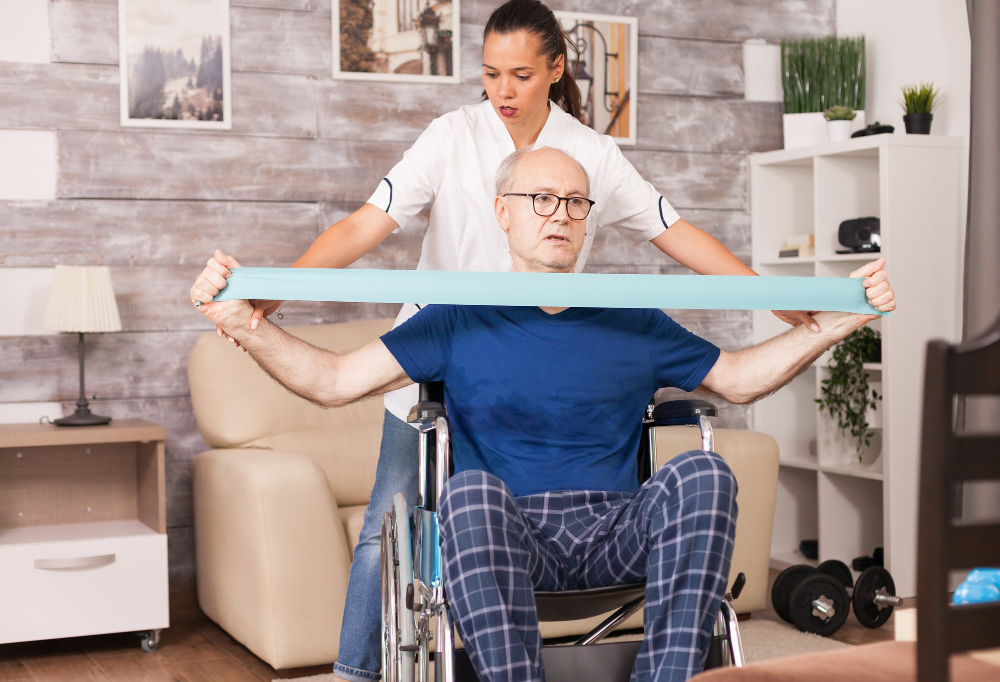
What is Stroke Physiotherapy?
Stroke physiotherapy helps people regain movement and strength after a stroke. A stroke can affect how your body moves, making daily tasks harder. With stroke physiotherapy, trained experts use special exercises and techniques to help you recover. Early therapy often leads to better results. According to the World Health Organization (WHO), starting rehabilitation soon after a stroke can improve your chances of recovery.
Common Symptoms After Stroke
After a stroke, you may notice changes in your body or mind. These symptoms can be mild or severe. However, recognizing them early helps you get the right care. Common symptoms include:
Because each person is different, symptoms may vary. Always talk to your doctor if you notice new or worsening problems.
Goals and Benefits of Physiotherapy
Stroke physiotherapy aims to help you regain as much independence as possible. The main goals include:
Moreover, regular physiotherapy can lower the risk of falls and other injuries. It also supports your overall well-being during stroke recovery.
Key Physiotherapy Techniques for Stroke Recovery
Physiotherapists use many methods to help stroke survivors. Some common stroke rehabilitation exercises and techniques include:
In addition, your physiotherapist may use gentle stretches or massage to relax tight muscles. Each plan is tailored to your needs.
How to Start Stroke Rehabilitation
Starting stroke rehabilitation early is important. First, your doctor or hospital team will assess your needs. Then, they may refer you to a physiotherapist who specializes in stroke recovery. Together, you will set goals and create a plan. Usually, therapy begins in the hospital and continues at home or in a clinic. Regular sessions and home exercises are key for progress. If you have questions, always ask your care team for guidance.
Tips for Home Exercises and Lifestyle Changes
Home exercises support your recovery between therapy visits. However, always follow your physiotherapist’s advice. Here are some helpful stroke recovery tips:
Additionally, keeping a positive attitude can help you stay motivated. Celebrate small wins along the way.
Prevention of Stroke Recurrence
After a stroke, it is important to lower your risk of another one. You can take steps to protect your health:
Because prevention is key, regular check-ups with your doctor are important. The Centers for Disease Control and Prevention (CDC) also recommends these steps for stroke prevention.
When to Consult a Physiotherapist
If you or a loved one has had a stroke, seeing a physiotherapist is vital. You should consult a physiotherapist if you notice:
Early help can make a big difference in your recovery. Even if you feel better, regular check-ins support long-term progress.
Consult a qualified physiotherapist for personalized stroke recovery guidance.